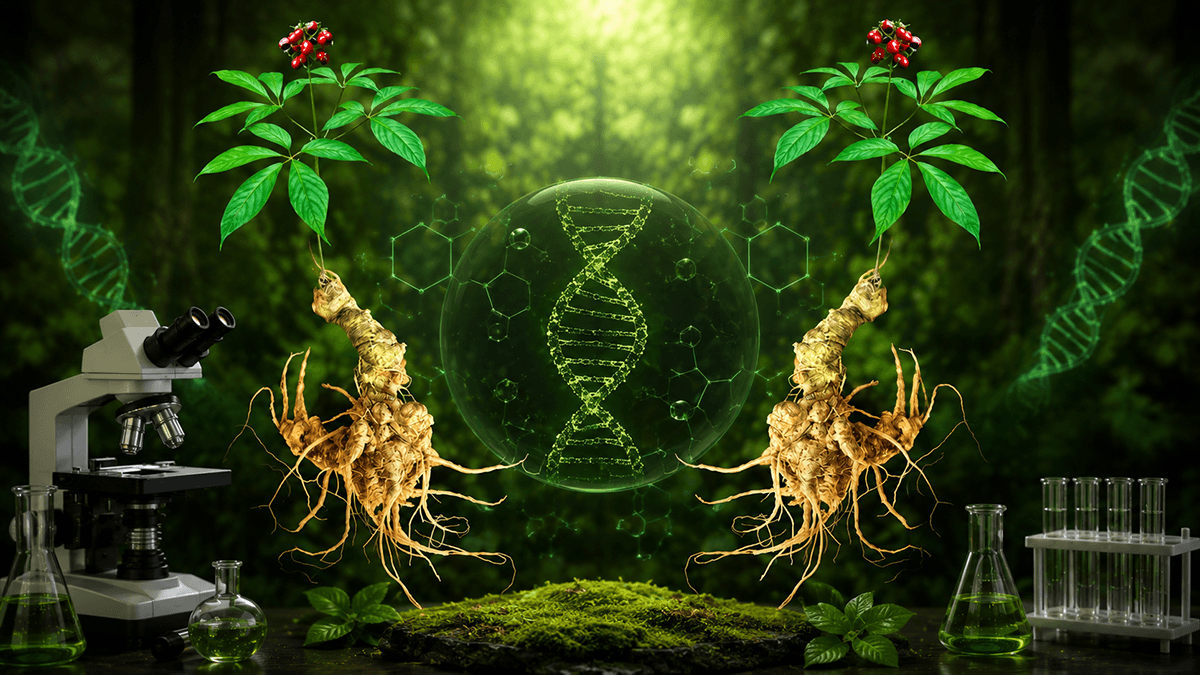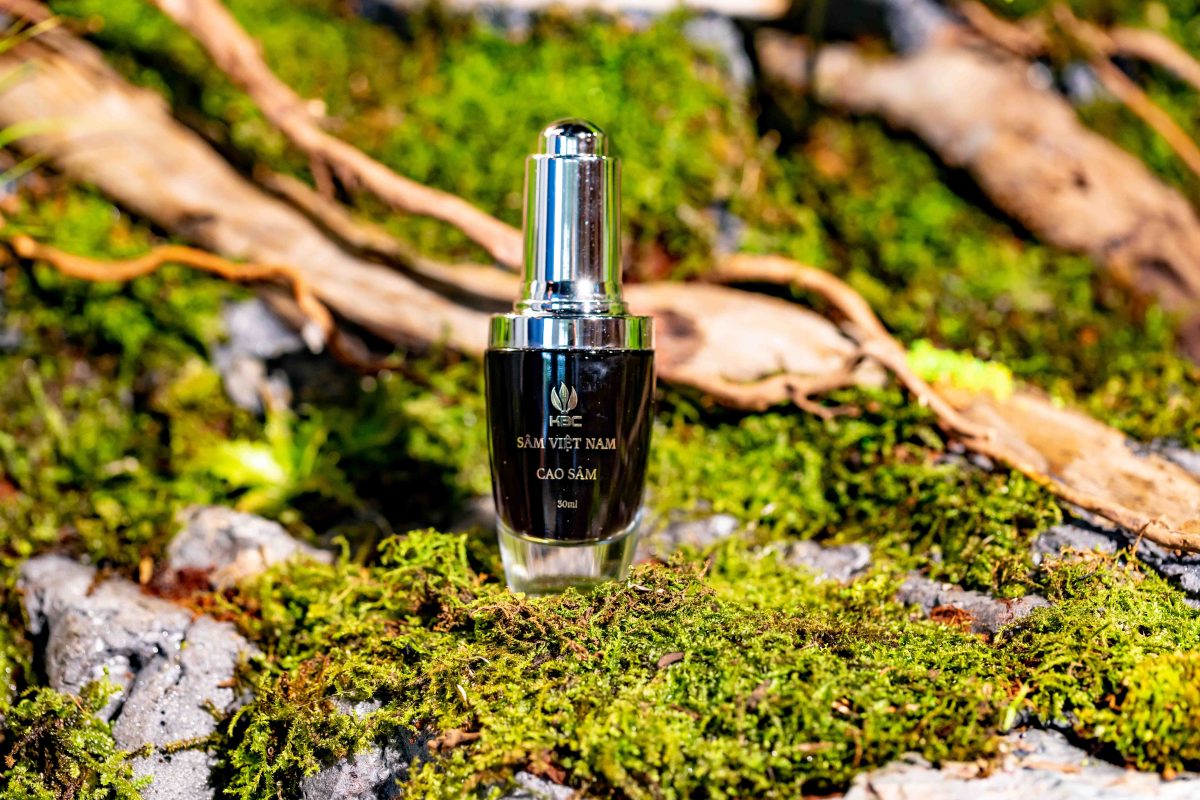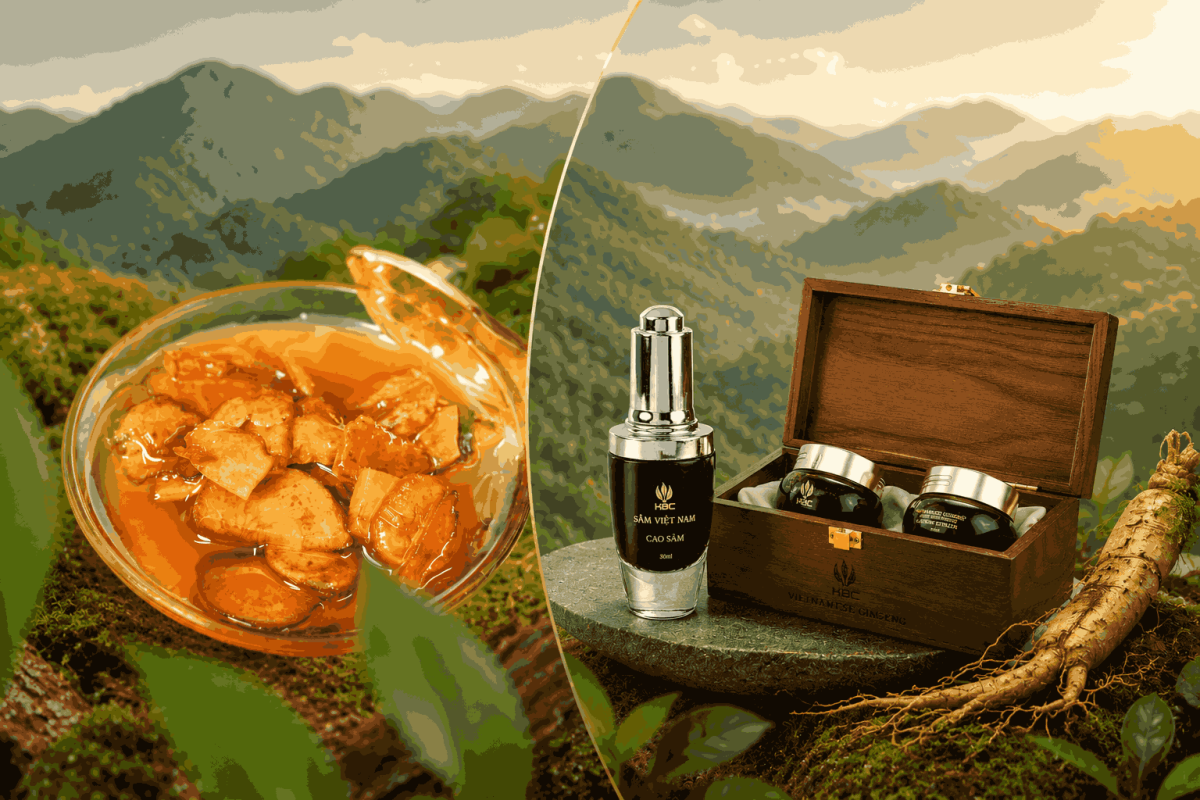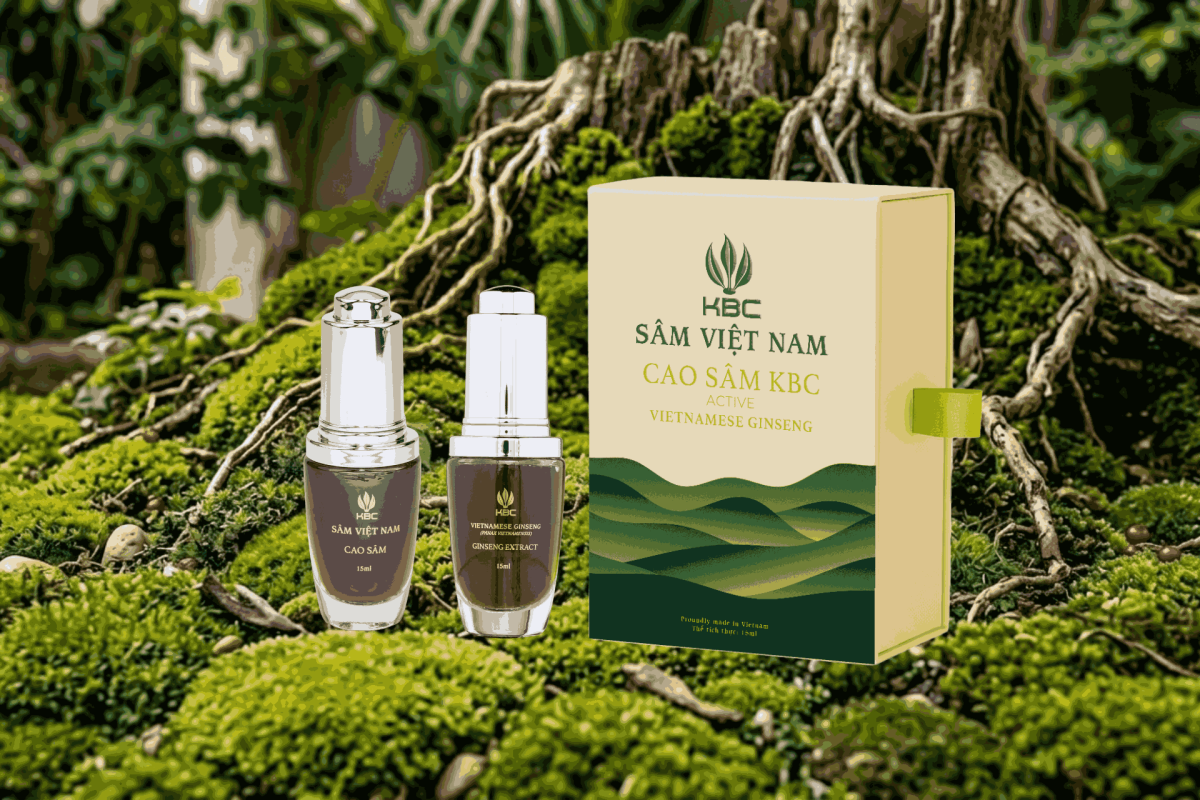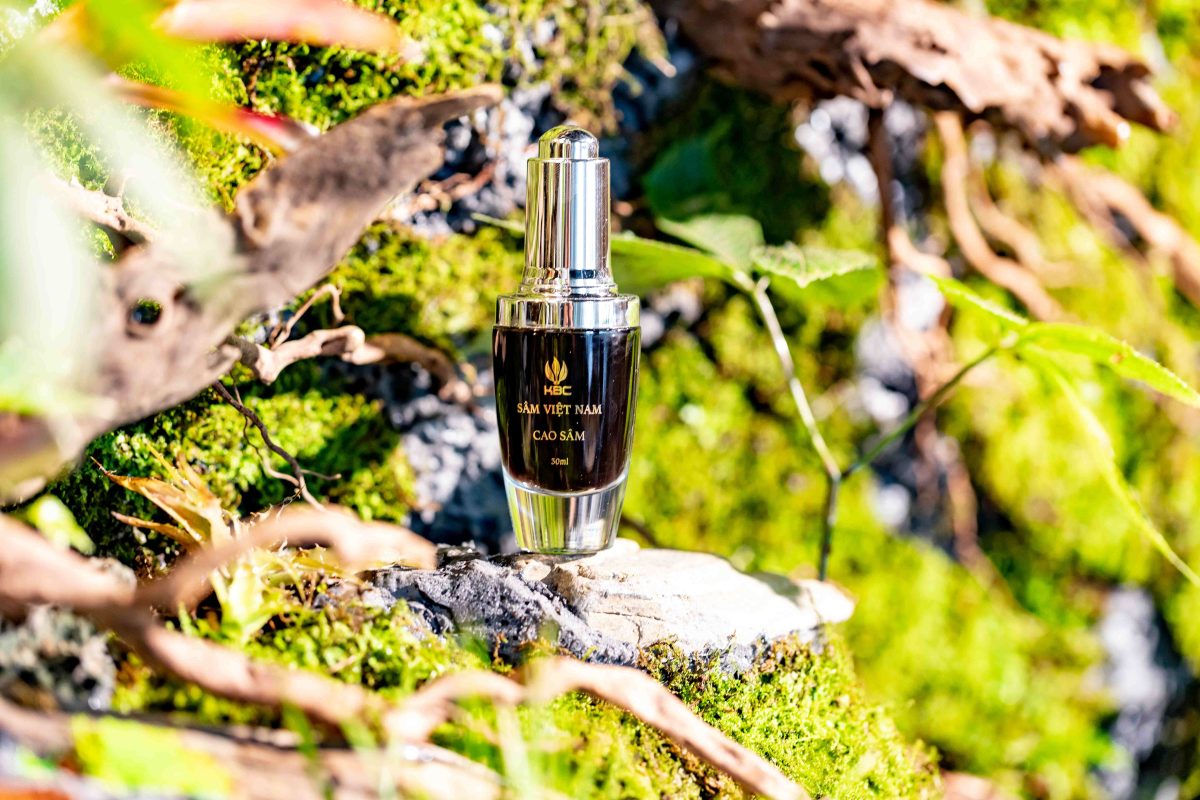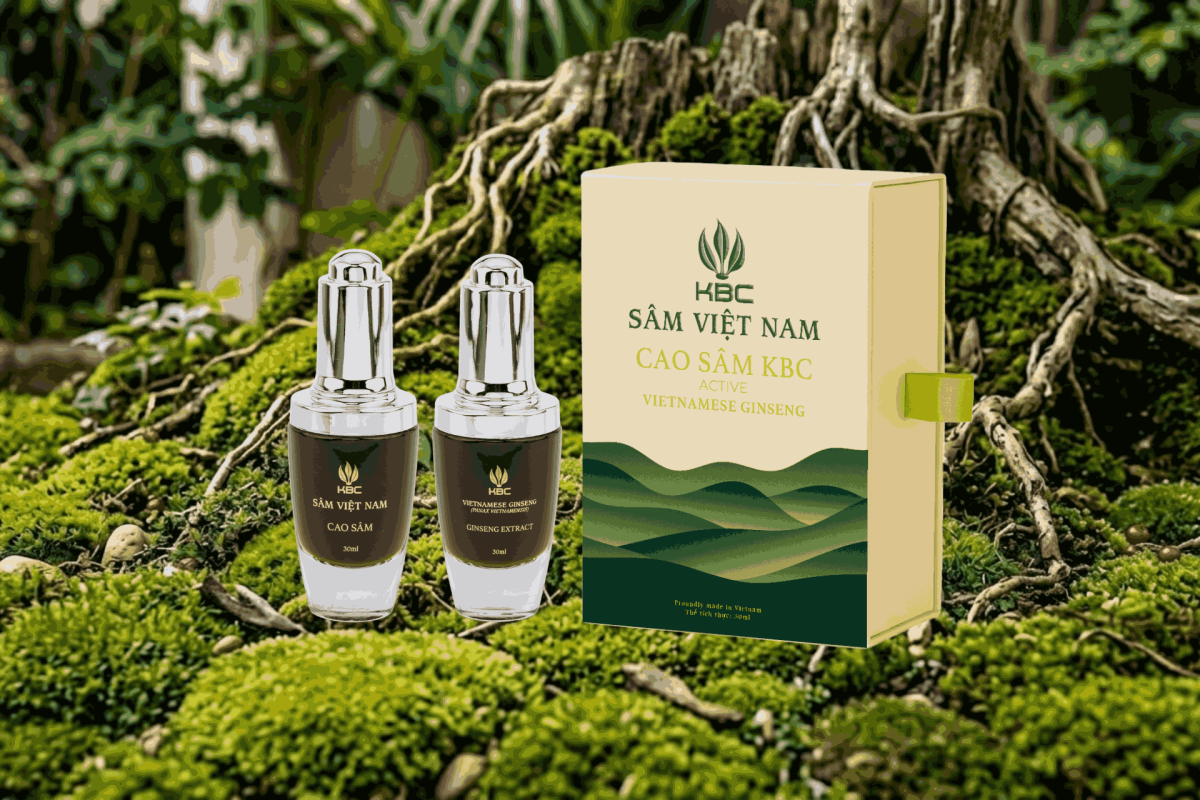


KBC Vietnamese ginseng utilizes HPLC technology to verify the bioactive compound content of Ngoc Linh ginseng, ensuring transparency.
KBC Vietnamese Ginseng Extract proudly meets the standards for bioactive compound testing, retaining all 52 rare and endemic saponin compounds, according to results from the Institute of Biotechnology & Environment – Tay Nguyen University.
52 Saponin Compounds Determine the Value of Ngoc Linh Ginseng
Saponins are known as the “biological fingerprint” of Ngoc Linh ginseng because they are the most important group of active compounds that create the special value of this rarest medicinal herb in the world.
This is a valuable bioactive compound that plays a role in supporting and enhancing health, improving physical condition, and contributing to the body’s sustained energy levels.
The unique characteristic of Ngoc Linh ginseng lies in its multi-layered system of 52 saponins – one of the rare and highly valued active compounds in the field of medicinal plant research.
The content and quality of saponins are also important factors that directly affect the market value of ginseng products.
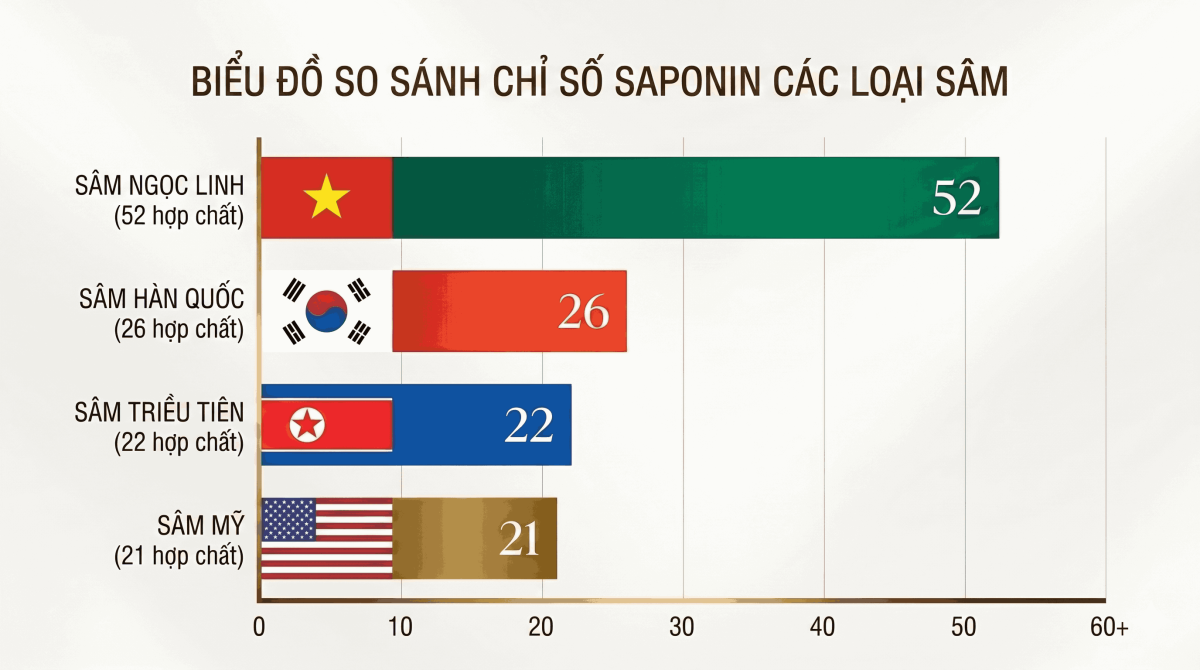
Learn more: [Exploring the multi-layered system of 52 Saponins in KBC Ngoc Linh Ginseng]
However, in reality, not all products labeled as Ngoc Linh ginseng have the same active ingredient content.
Without transparent, scientifically-backed testing systems, consumers find it extremely difficult to assess the true quality of a product.
This is also why more and more brands are choosing modern analytical technologies to measure the bioactive compounds in ginseng, with HPLC testing being a prominent example .
What is HPLC?
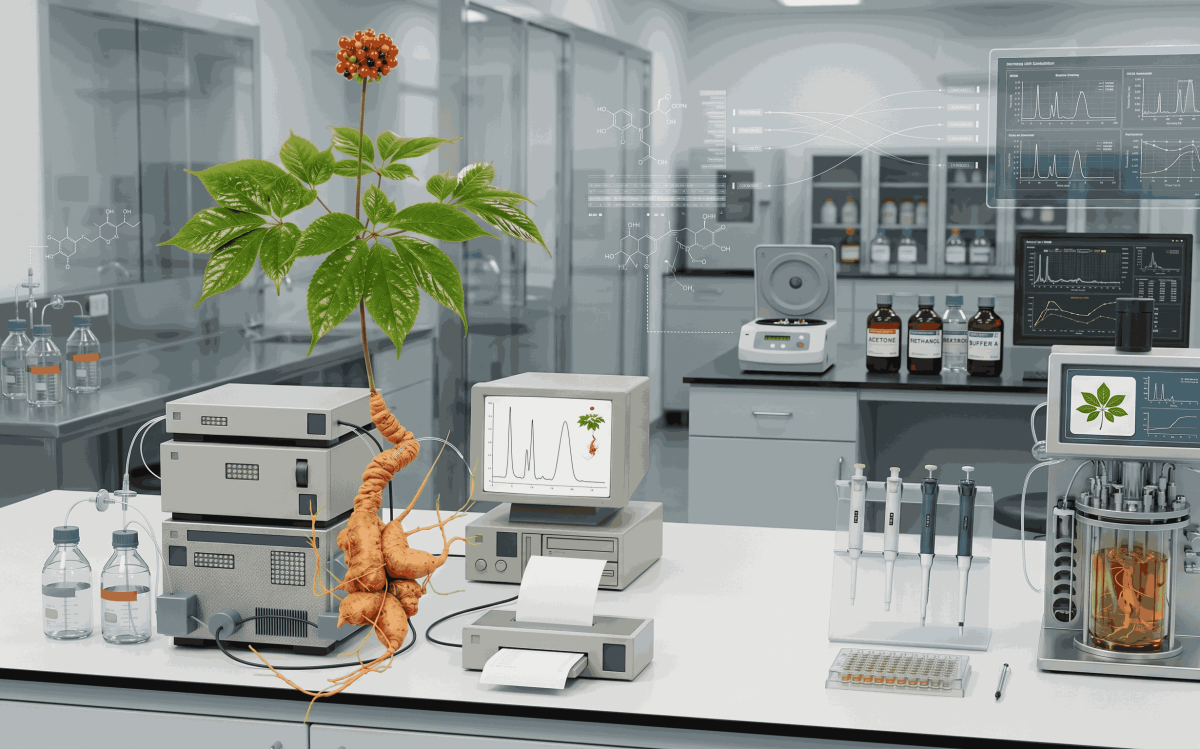
HPLC (High Performance Liquid Chromatography) is a high-performance liquid chromatography method widely used in pharmaceuticals, biotechnology, and active ingredient testing.
This technology allows for the precise analysis, extraction, and quantification of bioactive compounds present in the product.
For Ngoc Linh ginseng, HPLC plays a crucial role in determining the saponin content as well as many other valuable active compounds within each batch of the product.
Through a modern analytical system, the active ingredient indicators are clearly displayed in the form of transparent scientific data.
Unlike conventional sensory evaluations, HPLC testing helps standardize product quality based on specific quantitative criteria.
This is considered one of the important standards that helps improve the transparency and reliability of high-end healthcare products today.
Learn more: [Distinguishing genuine and fake Ngoc Linh Ginseng: The role of DNA testing]
Learn more: [How does the scientific ginseng standardization process at KBC take place?]
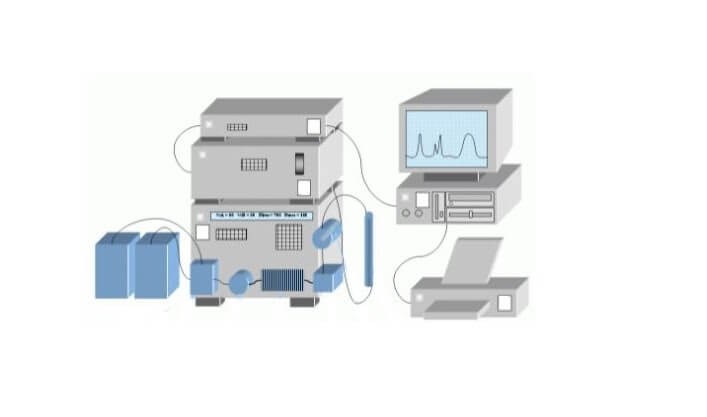
KBC Ginseng Extract Guarantees Transparent Saponin Content.
KBC Vietnamese Ginseng is proud to be one of the pioneering units in standardizing Vietnam’s “National Treasure” through modern HPLC testing .
According to test results from the Institute of Biotechnology & Environment – Tay Nguyen University, the product retains all 52 rare and endemic saponin compounds, which are the key elements that create the unique value and prestige of Vietnamese Ngoc Linh ginseng on the world medicinal plant map.
For KBC Vietnamese Ginseng Extract, HPLC analysis is a crucial foundation in the strategy of scientifically standardizing Ngoc Linh ginseng.
Each batch of KBC Vietnamese Ginseng Extract undergoes active ingredient testing to ensure transparency in quality before reaching consumers.
This gives users more confidence when choosing a premium healthcare product for themselves and their families.
Not stopping at HPLC, KBC has also built a multi-tiered verification system including DNA validation, microbiological safety testing, traceability, and rigorous domestic and international testing standards.
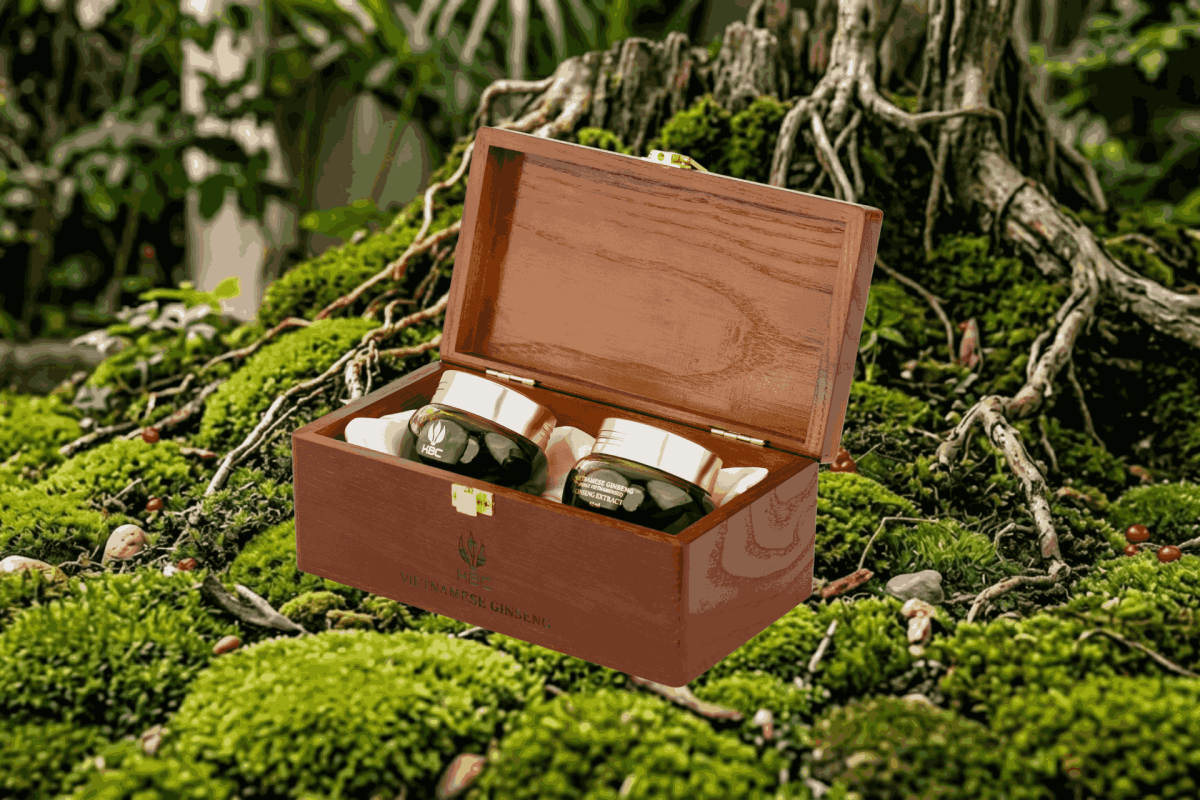
The application of HPLC analysis methods to Ngoc Linh ginseng and KBC Vietnamese Ginseng Extract aims to maximize the preservation of the rare bioactive compounds within Vietnam’s “national treasure,” while also contributing to establishing a new standard of transparency for the Vietnamese medicinal herb industry.